
OneTrust vs Archer vs ZenGRC: Which Should Your Compliance Team Choose?
Note: Pricing, features, and other details for each platform were checked on 16 October 2026.
Quick Summary
Choose OneTrust for connected privacy, data, and AI governance, or Archer for enterprise risk and resilience. With ZenGRC, we help lean teams manage multiple frameworks through shared controls, evidence reuse, and pricing without per-user or per-framework fees.
| Category | OneTrust | Archer | ZenGRC |
|---|---|---|---|
| Primary Fit | Teams connecting privacy, data, AI, and technology risk governance. | Enterprise programs emphasizing risk quantification, compliance, and operational resilience. | We support growing compliance programs managing multiple frameworks with lean teams. |
| Audit & Risk | Risk assessments, automated calculations, remediation workflows, and exposure dashboards. | Enterprise risk quantification, exposure aggregation, and control investment analysis. | We connect assessments, audit evidence, control reviews, and issue tracking. |
| Multi-Framework | Supports 50+ frameworks, with shared evidence and mapped controls. | Reusable control libraries connect requirements, assessments, testing, and evidence. | We map shared controls and reuse evidence where requirements overlap. |
| AI Features | AI-assisted risk analysis, assessment responses, and governance workflows. | Compliance operators monitor regulations, extract obligations, and generate control procedures. | Our opt-in AI evaluates documented controls, with reviewer approval. |
| Integrations | ServiceNow integration syncs assets into Data Mapping Automation. | ServiceNow import/export framework. Complex connections may require professional services. | We connect compliance tools and support HITRUST evidence transfer through MyCSF. |
| Ease of Use | Reviewers praise clear dashboards and easy workflows but note complex setup. | Reviewers praise collaboration and evidence handling but note password-reset delays. | We keep control ownership, evidence, and follow-up work connected. |
| Implementation | Tiered support. Premier and Signature include CSM engagement and coaching. | Vendor estimates 8–12-week rollouts. Academy offers live and self-paced training. | We provide a designated CSM, with guided implementation available separately. |
| Pricing | Custom solution packages priced by admin users and relevant inventory. | Custom pricing based on modules, users, and deployment model. | Custom, flat-rate pricing without per-user or per-framework fees. |
OneTrust vs Archer: How They Compare
OneTrust and Archer both support risk assessments, control management, and compliance reporting. Their differences become clearer when comparing how they connect records, handle regulatory change, and package their services. The five areas below examine those differences and their practical value.
Risk Management, Regulatory Change, and Reporting
OneTrust connects risks with assets, processes, and vendors. Its assessment methods combine qualitative ratings with quantitative calculations, while dashboards track key risk indicators and potential exposure. This supports teams that need to explain how a technology risk affects business operations.
Its broader platform connects privacy, data, third-party, technology, and AI governance. Shared records give these teams a common basis for reviewing risks. The value is particularly clear when one system or vendor creates several types of exposure.
Archer combines enterprise risk management with dedicated risk quantification. Archer Insight aggregates exposure across business units and evaluates control costs against potential losses prevented. This provides a useful basis for comparing investments, such as stronger supplier controls versus additional outage protection.
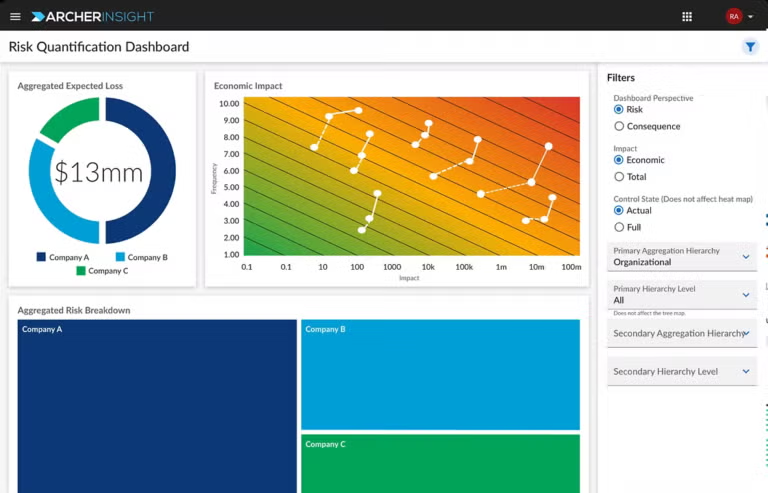
Archer’s Risk Quantification Interface
Archer also links regulatory updates to affected processes, policies, and controls through structured impact reviews. This helps teams trace a new requirement to the business activities and safeguards it affects.
Multi-Framework Compliance, Control Mapping, and Evidence Reuse
OneTrust provides controls, evidence tasks, templates, and guidance across more than 50 standards, regulations, and frameworks. Its shared evidence model links operational evidence to control requirements, reducing repeated collection. External system connections also support automated evidence gathering.
For a team managing SOC 2 and ISO 27001, this creates a basis for sharing relevant records across assessments. The important distinction is whether the evidence covers each requirement’s scope and review period. A shared document alone does not establish sufficient coverage. For example, a policy can describe an access review without proving that the review occurred. Collection status and test results answer different questions, even when they refer to the same underlying control.
Archer builds around a reusable control library. Teams map controls to relevant standards, conduct assessments and tests, and report results by control set. Evidence sits in a versioned repository, linking testing records with the requirements they support.
Both approaches can address duplicate compliance work. OneTrust’s documentation emphasizes shared evidence and collection tasks, while Archer describes control testing and reporting across mapped standards. These are differences in emphasis, rather than proof that either platform lacks the other’s approach. The stronger fit depends on whether collection or testing coordination creates more work.
Integrations, AI Features, and Workflow Automation
Both platforms connect with ServiceNow, although the documented workflows differ. OneTrust supports syncing ServiceNow assets into Data Mapping Automation. Archer provides an import and export framework, with professional services recommended for complex custom or bidirectional connections. An integration listing therefore needs context around the records and actions supported.
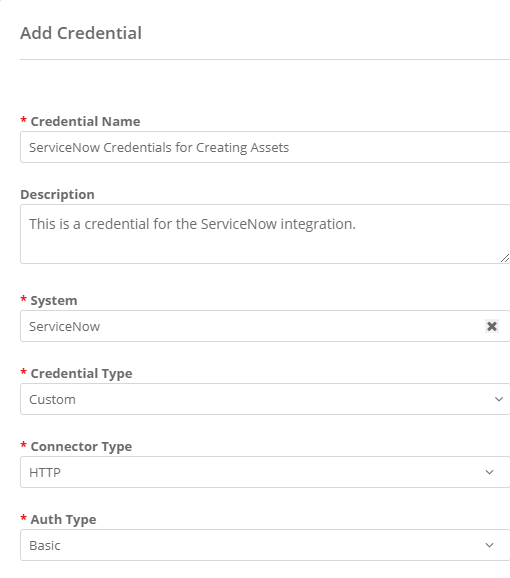
Integrating ServiceNow with OneTrust
OneTrust applies AI to risk analysis, assessment responses, and governance workflows. Its platform also supports oversight of AI systems and agents. This combines AI-assisted compliance work with controls governing how the business uses AI.
Archer’s Evolv AI Operators use defined permissions, human approval, and audit trails. Available Compliance operators support regulatory monitoring, obligation extraction, and control procedure generation. Evolv Foundation provides the shared underlying layer, while other operator domains remain listed as planned.
The practical fit depends on which tasks need automation and where reviewers must approve the results. Both approaches retain a role for human review.
Ease of Use, Implementation Time, and Ongoing Support
OneTrust’s newer reviews distinguish daily usability from setup effort. A February 2026 G2 reviewer in education management praised clear dashboards and easy workflows, while describing some configuration as time-consuming. Sahana R., in November 2025, also valued centralized risk management but reported a learning curve when configuring frameworks and policies. These experiences suggest useful daily workflows can still require careful setup.
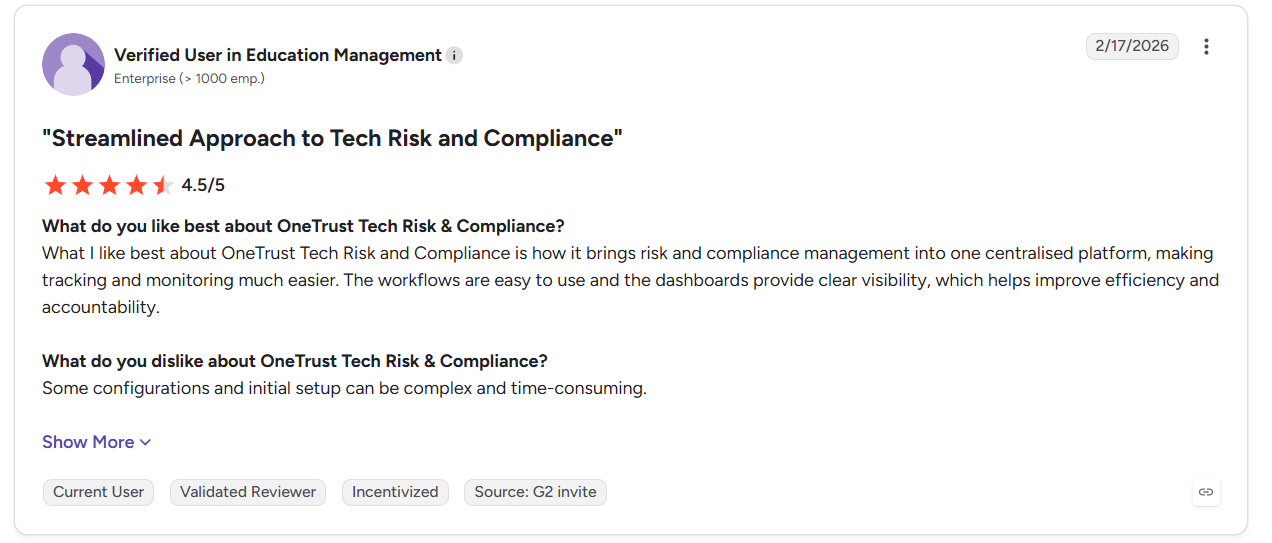
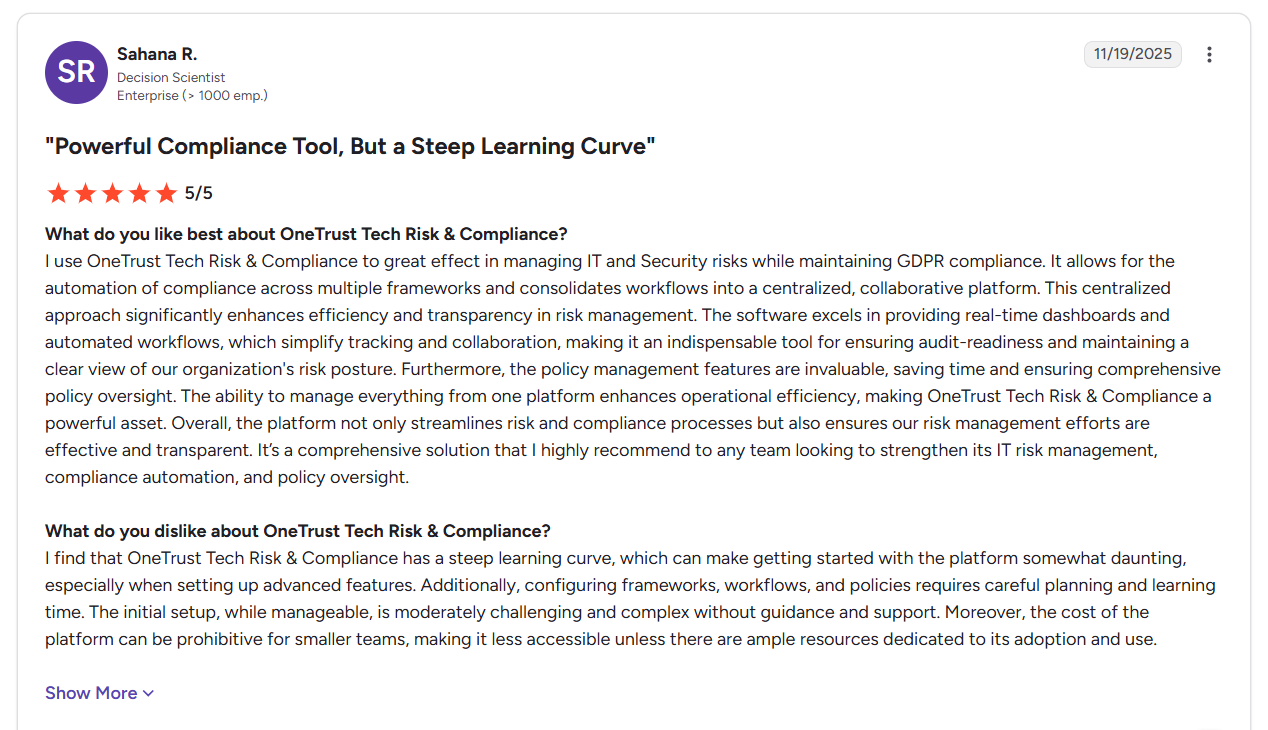
For implementation, G2 currently reports a two-month average for Tech Risk & Compliance, based on user reviews. This may provide a reference point, though individual rollout times depend on deployment scope.
Support depends on the selected package. Premier Success and Signature Success include Customer Success Manager engagement, architectural guidance, and expert coaching. Signature adds private training and an assigned contact for escalated cases. Teams needing ongoing configuration guidance therefore have a clearer reason to consider these higher tiers.
For Archer, a May 2026 Gartner Peer Insights reviewer praised collaboration between risk teams, internal controls staff, and business owners. The review highlighted risk monitoring and evidence handling, while its summary noted frustration with password-reset delays. This supports a positive assessment of collaboration, with a specific concern about account access.
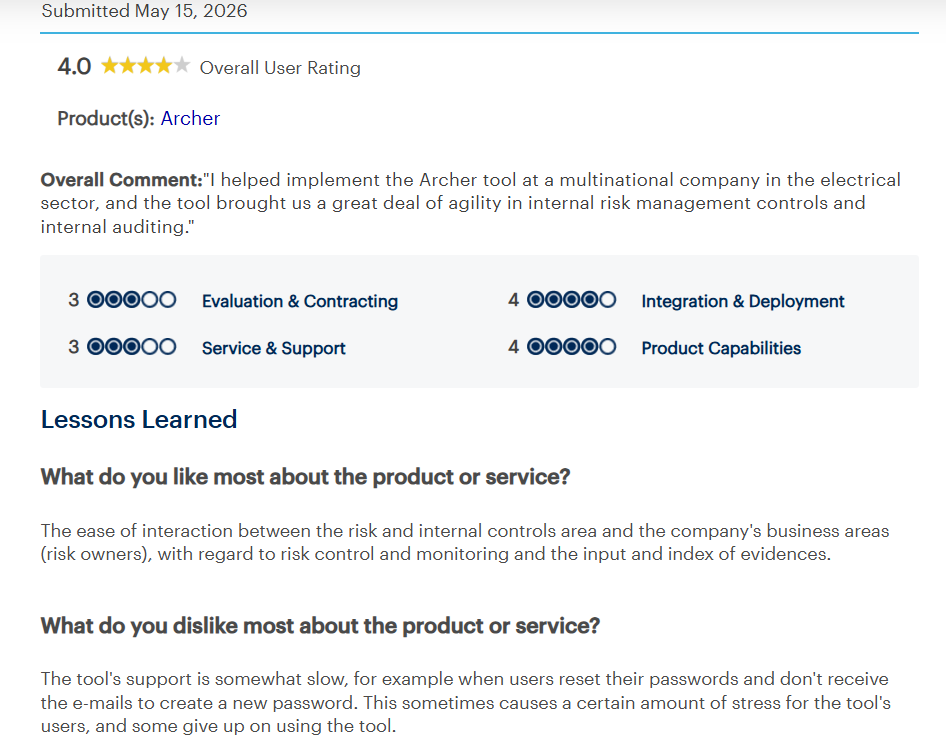
Archer advertises an eight-to-twelve-week rollout for most enterprise deployments on its public-sector page. Its estimate and OneTrust’s G2 average use different evidence, so they do not establish which deploys faster.
Training through Archer Academy includes live instruction, certification courses, and a subscription providing 12 months of self-paced courses and exams. These options support initial training and continued learning as responsibilities change.
Pricing Models and Total Cost of Ownership
OneTrust uses Custom pricing through solution packages. Tech Risk & Compliance pricing depends on admin users and asset inventory. AI Governance uses admin users and AI inventory, while third-party management uses admin users and third-party inventory. Expansion therefore has different pricing measures across products. (Source: OneTrust, Pricing and Packaging)
Archer also uses Custom pricing. Its published guidance identifies modules, users, and deployment model as cost factors. This makes the selected application scope and access requirements relevant to the commercial comparison. (Source: Archer, Public Sector Solutions)
Neither platform can be judged cheaper without quotes covering the same requirements. Total cost also depends on implementation, integrations, training, and support. A lower subscription price may offer less value if essential services require separate spending.
ZenGRC as an Alternative to OneTrust and Archer
For a lean compliance team, another framework often means more work for the same people. ZenGRC offers a strong alternative when the priority is connecting controls, evidence, and assessments as responsibilities grow. Our case rests on four practical strengths.
Reduce Duplicate Compliance Work With Cross-Framework Control Mapping
We map controls across relevant frameworks and connect supporting evidence to overlapping requirements. Your team can build on existing work while identifying obligations that need separate treatment.
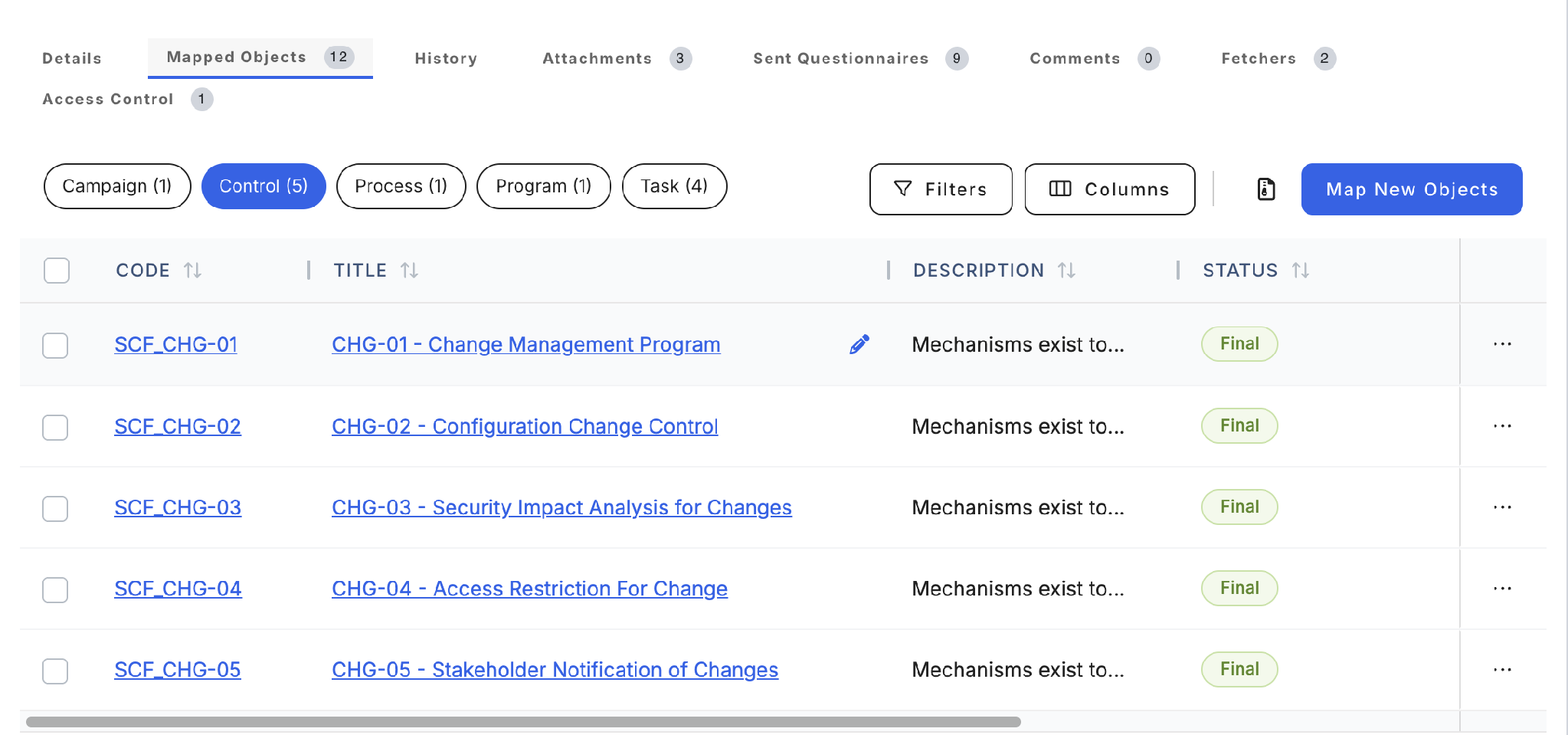
How to easily cross-map records to each other in ZenGRC
Consider an existing backup review when adding another framework. The review may provide useful evidence, but its systems, dates, and testing scope still need checking. Shared records help your team identify what can be reused and what needs updating.
The benefit is more than fewer uploads. A common control record gives reviewers a clearer starting point for understanding related obligations. Reuse remains subject to assessment requirements and acceptance. Mapping does not remove the need for judgment.
Support HITRUST Assessments With ZenGRC’s Native MyCSF Integration
Moving evidence into an assessment portal creates another handoff to manage. Our native MyCSF integration supports evidence transfer and control responses between our platform and HITRUST’s assessment system. This connects ongoing compliance work with assessment preparation.
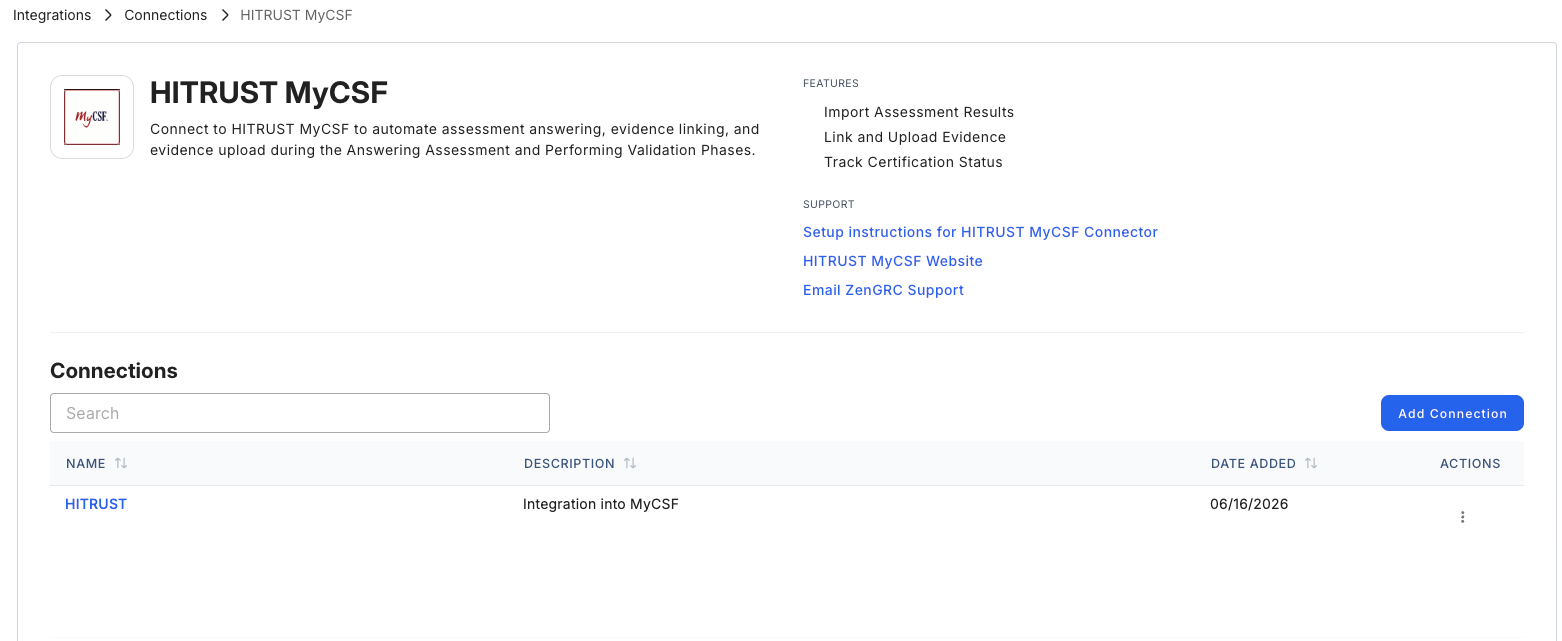
MyCSF integration in ZenGRC
For healthcare teams, the practical benefit is keeping supporting records connected as work moves toward external review. Teams can organize their compliance activities with us while using the required MyCSF assessment process.
We support preparation and evidence management alongside MyCSF. The integration does not replace required licenses, the authorized assessor’s work, or HITRUST’s certification decision.
Scope Programs and Review Controls With AI Features
Our AI supports program scoping and control design. For internal testing, our documented control assessment workflow evaluates effectiveness and maturity using supporting documentation.
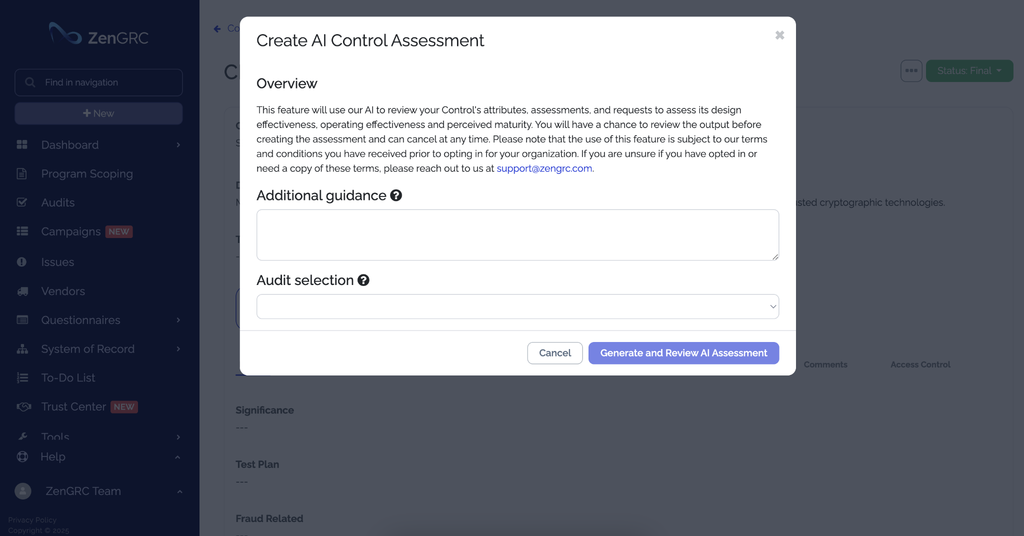
ZenGRC AI features
Your reviewer selects a control, generates an assessment, and examines the reasoning. They can accept or modify the assessment before approval. AI features are opt-in, and AI-assisted evaluations retain an audit trail.
This gives a small team another way to examine control design and evidence quality. The reviewer still decides whether the assessment reflects how the control operates. The value lies in supporting a documented review, with responsibility remaining clear.
Add Users and Frameworks Without Per-User or Per-Framework Fees
We use Custom, flat-rate pricing without per-user or per-framework fees. This supports involving control owners and adding compliance requirements without those specific charges. Quotes still depend on program scope and commercial terms.
Our Trust Center and Business Intelligence Portal are separately priced options unless included in the agreed package. Guided implementation is available through an onboarding package, separate from ongoing support.
We also provide a designated Customer Success Manager. Onboarding covers framework scoping, existing data imports, workflow reviews, and training. For teams replacing scattered records, help organizing the program can matter as much as access to additional features.
How to Choose the Right Compliance Software for Your Team
Each platform has a clearer case when its strengths match the team’s main responsibility.
Choose OneTrust for Privacy, Data, and AI Governance
OneTrust is a strong fit when several governance teams need shared information. A business introducing AI across customer-facing systems may need privacy reviews, data controls, and technology assessments connected. Its platform brings these areas together through shared records and workflows.
Its broader coverage is particularly relevant when the purchase serves privacy, security, and AI owners together. The value comes from coordinating decisions across departments, alongside the compliance work itself.
Choose Archer for Enterprise Risk and Resilience
Archer fits organizations whose risk leaders need to compare exposures across business units. Its quantification tools support investment decisions, while resilience management connects business continuity, disaster recovery, and incident activity.
The case is strongest when risk reporting must explain the potential impact of disruptions and proposed responses. For these programs, the depth of analysis has a direct role in management decisions.
Choose ZenGRC for Growing Multi-Framework Compliance Programs
We are a strong choice when compliance responsibilities grow faster than the team’s capacity. The trigger may be a new customer requirement, an expanding vendor program, or recurring audit delays.
Our platform connects control mapping, evidence, and assessment work, with support for involving more contributors. For teams managing several frameworks, we offer a focused way to maintain oversight as obligations expand.
Bazaarvoice illustrates this fit. Its team replaced scattered spreadsheets and documents with our platform for ISO 27001 and vendor management. It imported vendor records, tracked evidence requests, and built audit histories. Our published case study reports faster data recall and improved leadership reporting while preserving the team’s existing GRC practices.

Simplify Multi-Framework Compliance With ZenGRC
Your GRC platform should help your team manage growing requirements without adding more work.
With ZenGRC, we connect controls, evidence, and audit tasks so your team can reuse work across frameworks and track responsibilities. Our flat-rate pricing has no per-user or per-framework fees.
Book a demo to see how we can support your compliance program.