
Estimated reading time: 8 minutes

Founded in 2009, ZenGRC offers robust, intuitive products that help organizations graduate from manual processes and point solutions, turning compliance and risk management into a source of business advantage. We help organizations better navigate the complexities of governance, risk, and compliance.
What is a GRC platform? And why are more organizations moving away from spreadsheets and manual processes to adopt comprehensive GRC solutions? The answer lies in the mounting complexity of today’s regulatory landscape.
Organizations managing governance, risk, and compliance face an ever-growing stream of requirements. From evolving cyber threats to new data privacy regulations and increasing stakeholder demands, manual approaches simply can’t keep pace. This creates gaps that put your organization at risk.
In this article, we’ll cover:
- What is a GRC Platform?
- Why Organizations Need a GRC Platform
- Key Features of Modern GRC Platforms
- The Role of AI in Modern GRC Platforms
- The Benefits of GRC Platform Implementation
- Choosing the Right GRC Platform
What is a GRC Platform?
A GRC platform is a unified software solution designed to help organizations manage governance, risk, and compliance activities from a single, centralized system. Rather than juggling spreadsheets, email chains, and disconnected tools, a GRC platform brings together all the essential components of effective risk and compliance management into one cohesive ecosystem.
What are the Components of a GRC Platform?
It’s important to understand that a GRC platform encompasses three critical pillars that work together to strengthen your organization’s security and compliance posture.
- Governance establishes the framework for how your organization operates, makes decisions, and maintains accountability. A GRC platform provides the structure and processes needed to ensure policies are documented, roles and responsibilities are clearly defined, and oversight mechanisms are in place.
- Risk Management involves identifying, assessing, and mitigating threats that could impact your organization’s objectives. Modern GRC platforms enable continuous risk monitoring rather than relying on outdated annual assessments that quickly become obsolete. With automated risk scoring and real-time visibility, organizations can proactively address emerging threats before they escalate into significant issues.
- Compliance ensures your organization adheres to relevant regulations, industry standards, and internal policies. A GRC platform streamlines compliance management by centralizing control libraries, automating evidence collection, and providing clear audit trails that demonstrate adherence to frameworks like SOC 2, ISO 27001, HIPAA, PCI DSS, and many others.
Why Organizations Need a GRC Platform
The traditional approach to GRC involves managing compliance requirements through spreadsheets and manual processes. This creates significant challenges for modern organizations. GRC professionals spend countless hours on administrative tasks like data collection, formatting reports, and chasing evidence when they could focus on strategic risk analysis.

Manual processes don’t just drain resources; they create compliance gaps through scattered data, inconsistent reporting, and human error. When risk information lives in one system, compliance data in another, and audit evidence in yet another location, organizations lack the holistic visibility needed to make informed decisions.
A GRC platform addresses these challenges by automating routine tasks, centralizing critical information, and providing real-time insights. This transformation enables GRC teams to evolve from process managers to strategic advisors who drive business value while managing risk effectively.
Key Features of Modern GRC Platforms
Modern GRC platforms offer comprehensive features designed to address the full spectrum of GRC activities.
- Centralized Control Management forms the foundation of effective GRC. Rather than managing separate control sets for each framework, leading platforms use a unified control library pre-mapped to multiple standards and regulations. This approach eliminates redundant work and ensures consistency across your compliance programs. When a new regulation emerges, you can quickly conduct gap analyses based on your existing controls rather than starting from scratch.
- Automated Evidence Collection transforms one of the most time-consuming aspects of compliance management. Instead of manually gathering screenshots, documents, and attestations, GRC platforms integrate with your existing technology stack to automatically collect evidence. This includes connections to SaaS applications, ticketing systems, and document repositories, ensuring you have the proof needed for audits without the administrative burden.
- Risk Assessment and Monitoring capabilities enable organizations to move beyond point-in-time evaluations to continuous risk oversight. Modern platforms provide pre-scored risks and threats mapped to relevant controls, offering a risk baseline from day one. As you collect evidence, resolve findings, and remediate vulnerabilities, your risk scores automatically adjust, providing an always-current view of your risk posture.
- Task Management and Workflow Automation ensure that nothing falls through the cracks. From audit requests and self-assessments to policy approvals and control testing, GRC platforms create structured workflows that assign tasks, track progress, and maintain accountability. Dynamic task lists with customizable views help teams prioritize effectively and meet deadlines consistently.
- Reporting and Dashboards provide the visibility leadership needs to make informed decisions. Rather than spending days compiling reports, GRC platforms generate customizable dashboards that pull data from across your entire ecosystem. This holistic view enables organizations to communicate risk and compliance status clearly to stakeholders, boards, and regulatory bodies.
The Role of AI in Modern GRC Platforms
Artificial intelligence is transforming what is possible within a GRC platform. Rather than replacing human expertise, AI handles repetitive tasks and provides intelligent assistance for complex activities.

AI-powered GRC platforms can automate control design, provide implementation suggestions, and even scope new compliance programs based on your organization’s specific context. This intelligent assistance enables lean teams to accomplish more without additional headcount while maintaining quality and consistency.
Beyond automation, AI enables predictive capabilities that help organizations anticipate risks and plan resources more effectively. By analyzing historical patterns and current trends, AI can identify emerging compliance gaps, predict audit outcomes, and recommend proactive measures to strengthen your GRC program.
The Benefits of GRC Platform Implementation
Organizations that implement comprehensive GRC platforms experience tangible benefits that extend beyond efficiency gains. By automating routine tasks, GRC teams can redirect their expertise toward strategic initiatives that drive real business value.
Time Savings are immediate and significant. With substantial reductions in time spent on manual data collection and reporting, professionals are free to focus on risk analysis, stakeholder engagement, and program improvement.

Improved Accuracy results from eliminating manual data transfer and maintaining a single source of truth. Automated workflows ensure consistency in how controls are tested, evidence is collected, and findings are documented.
Better Risk Visibility enables proactive management rather than reactive firefighting. With real-time dashboards and continuous monitoring, organizations can identify and address issues before they impact operations or compliance status.
Audit Readiness becomes a continuous state rather than a frantic sprint. When evidence is automatically collected and organized, and when your compliance posture is always current, audit season loses its sting.
Scalability ensures your GRC program can grow with your organization. Whether you’re adding new frameworks, expanding into new markets, or increasing headcount, a robust GRC platform adapts to your evolving needs without requiring a complete overhaul.
Choosing the Right GRC Platform
So, we’ve answered the question: what is a GRC platform? The next critical question is: how do you select the right one for your organization?
Choosing the right GRC platform requires evaluating your specific needs, technology infrastructure, and long-term growth plans. The best solution will empower your team to focus on strategic priorities rather than administrative tasks—enabling true compliance innovation and business value.
Why Leading Organizations Choose ZenGRC
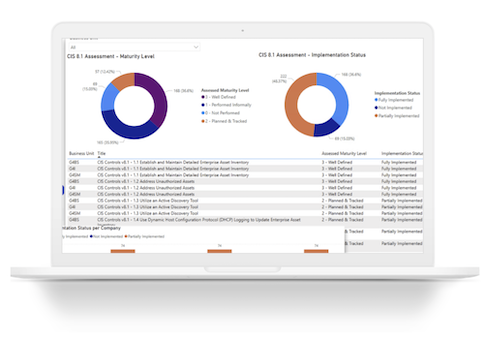
ZenGRC isn’t just another GRC tool: it’s a strategic investment in your organization’s future. By centralizing governance, risk, and compliance activities into a unified platform, ZenGRC creates a foundation for sustainable growth and operational excellence.
What sets ZenGRC apart:
- AI-Powered Intelligence: Leverage GRACI AI for analyst-level work, from control design to program scoping
- Complete Automation: Eliminate manual evidence collection and streamline compliance workflows
- Framework Flexibility: Easily manage multiple compliance programs from a single control library
- Real-Time Visibility: Access customizable dashboards that provide instant insights into your risk and compliance posture
In an environment where regulatory requirements multiply and cyber threats evolve daily, manual processes and disconnected systems are no longer viable. ZenGRC transforms compliance from a checkbox exercise into a competitive advantage.
Ready to see how a comprehensive GRC platform can transform your approach to governance, risk, and compliance? Discover how ZenGRC can streamline your processes, strengthen your risk posture, and unlock new opportunities for your organization.
Book a demo today!